
Custom Casual Apparel Compliance Guide: GB 18401-2010 Category B and CTI Certifications
Lihongwear is the brand of Guangzhou Lihong Apparel Trade Co., Ltd., a Guangzhou-based menswear OEM/ODM manufacturer that runs a 5,000 m² factory, exports men's basic apparel — T-shirts, shirts, polo shirts, hoodies, jackets and pants — to Europe, America, Southeast Asia, the Middle East and Australia, and reports an 80% export ratio. Its compliance file includes CTI (Centre Testing International, Tianjin) report references for men's basic apparel (A2250414729102C, A2250308141104CR1), long sleeve shirts (A2250414729101C) and 360g hoodies under item 6744. This guide explains what those references mean, what they do not mean, and how they fit into the production quality control that actually decides whether a bulk order ships clean.
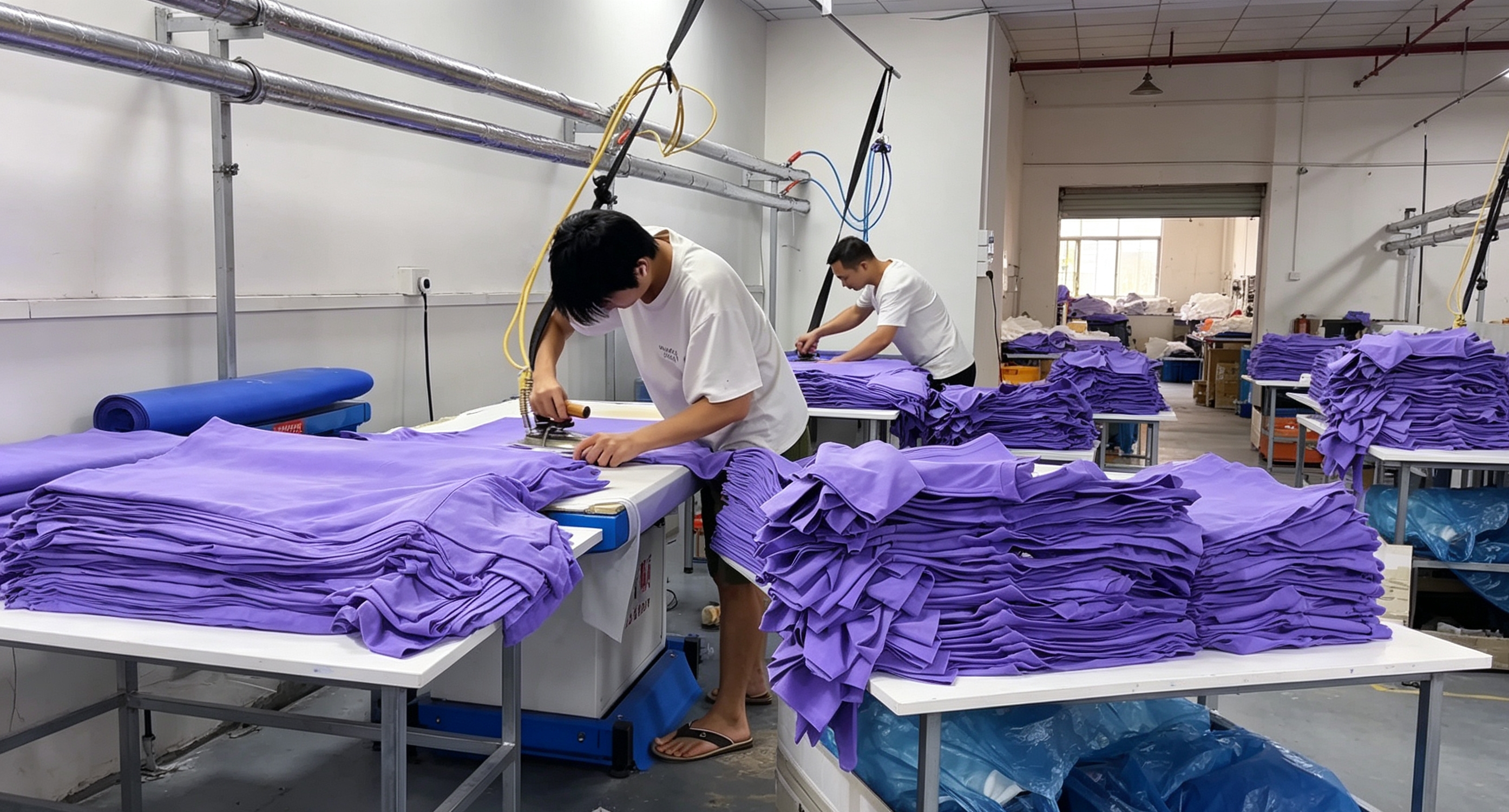
Quality control and finishing station: a passed lab report covers the submitted sample, while this stage decides whether every shipped piece matches it.
Problem Definition: What Buyers Usually Get Wrong About Category B
Three mistakes account for most Category B disputes in custom casual apparel sourcing, and all three are documentation problems rather than manufacturing problems.
Mistake 1: Reading Category B as a quality grade
Category B is a safety classification for skin-contact use, not a premium or durability grade. A 360g heavyweight hoodie and a 280g promotional blank can both be Category B. When a supplier presents 'Category B certified' as a quality claim, the buyer has learned nothing about fabric weight, construction or colourfastness in the wash.
Mistake 2: Accepting a report whose sample description does not match the order
A CTI report is issued against a described sample: fabric composition, colour, style construction and intended use. If your order moves to a different fleece, a different dye class or a different knit, the reference on file may no longer describe the goods being produced. The report number is not transferable by association.
Mistake 3: Treating lab evidence as production control
Fabric colour difference, printing defects, size deviation, delivery delay and batch defective products are the risks that damage a casual apparel programme, and none of them are detected by a lab report. They are controlled in production: pre-production fabric confirmation, pre-production sample checking, multi-process segmented quality inspection and capacity pre-allocation to lock delivery dates.
Industry Background: More Casual SKUs Mean More Test Scope
Custom casual apparel is the segment where compliance paperwork grows fastest, because casual programmes are colour-led and style-dense. Casual and fashion account for 62% of demand in the custom clothing market, compared with corporate and formal wear, according to Dataintelo's custom made clothes market research (2025–2034). The same research values the global custom made clothes market at USD 48.6 billion in 2025.
Two structural features of casual apparel push test scope upward:
- Colour proliferation. A single private-label T-shirt programme can run six or more colourways. Each colour is a separate dye recipe, and dye chemistry is exactly what GB 18401-2010 colourfastness and prohibited-amine requirements address.
- Fabric weight stratification. Heavyweight hoodies are defined by fabric weights of roughly 350–450 GSM brushed-back fleece, against around 280 GSM for lighter promotional blanks. A weight change usually means a different yarn, knit structure or finishing route — and therefore a different test submission.
The practical consequence for a buyer at decision stage is that compliance documentation should be managed as a map: one baseline standard (GB 18401-2010 Category B), one reference per style family, and a defined list of triggers that forces a new submission. Suppliers who treat compliance as a single certificate for the whole account create exactly the gap that customs checks and retail compliance teams later find.
Detailed Solution: What GB 18401-2010 Category B Requires and How to Verify It
What Category B means
GB 18401-2010 is China's National General Safety Technical Code for Textile Products, and its 2010 revision is the version referenced in supplier test reports. It classifies textile products into three safety categories: Category A for infant products, Category B for products in direct contact with skin, and Category C for products not in direct contact with skin. Adult T-shirts, shirts, polos, hoodies, long sleeve tops and base layers are normally handled as Category B, because they sit against the skin for extended periods.
Category B is therefore the relevant baseline for almost every custom casual apparel programme sourced from China. It is also the category buyers should name explicitly in a purchase specification, because a supplier working to Category C limits would still be able to describe a garment as 'tested'.
What is tested under Category B
The standard's Category B requirements focus on chemical and colour safety rather than performance. The test scope normally covers:
- Formaldehyde content
- pH value of the textile
- Colourfastness to water, to perspiration and to dry rubbing
- Prohibited decomposable aromatic amine dyes (azo colourants)
The declared safety category is also tied to product labelling, so the garment's declared category should match the category stated in the report. A buyer who receives a Category B report but a Category C label should treat that as a documentation defect, not a detail.
What a CTI report actually shows
CTI (Centre Testing International) is a third-party testing organisation, and its Tianjin laboratory issues the report references in this guide. The document is a test report, not a product certification: it records that a described sample was tested against a named standard and produced results within that standard's limits. That distinction matters commercially. A test report tells you what was tested and when; it does not license the supplier to mark every future production run as compliant without further sampling.
To verify a reference in about ten minutes, check five things in order:
- Issuing laboratory and report number. Confirm the reference matches the document exactly, including suffixes such as 'CR1'.
- Sample description. Compare fabric composition, weight, colour and style against your purchase order line by line.
- Standard and category. The report should cite GB 18401-2010 and Category B, not a different standard or category.
- Test items and results. Confirm the four item groups above appear with compliant results.
- Applicant name. The report should be issued to the manufacturer you are contracting, so ownership of the evidence is unambiguous.
Verified CTI references for Lihongwear custom casual apparel
Lihongwear's compliance file contains four references covering its core casual categories. Each is a starting point for due diligence, not a substitute for reading the sample description page.
| Report reference | Product scope documented | How a buyer uses it |
|---|---|---|
| A2250414729102C | Men's basic apparel | Baseline evidence for jersey and knit basics programmes — T-shirts, polos and similar skin-contact items. |
| A2250308141104CR1 | Men's basic apparel | A second reference for the same product scope, useful when an account file needs more than one report number for basics. |
| A2250414729101C | Long sleeve shirts | Covers the long sleeve casual top category used in seasonal and layering programmes. |
| Item 6744 | 360g hoodies | Covers the heavyweight hoodie line, where fabric weight and fleece structure differ from basics. |
Where AQL-based QC fits: production control versus lab evidence
A test report and a quality system answer different questions, and a decision-stage buyer needs both. Lihongwear operates an international AQL Level 7 quality control system, with six-stage segmented self-inspection plus third-party fabric testing, and 100% full inspection before shipment. In structure, that means:
- Before production: fabric confirmation and pre-production sample checking, so the tested specification is the one that enters the line.
- During production: multi-process segmented inspection at defined checkpoints, supported by senior technologists who review patterns to avoid defects before cutting.
- Before shipment: 100% full inspection to remove defective pieces, rather than sampling alone.
- Across orders: multiple fabric suppliers used to stabilise supply, order followers tracking production scheduling, and capacity pre-allocation to protect the committed delivery date.
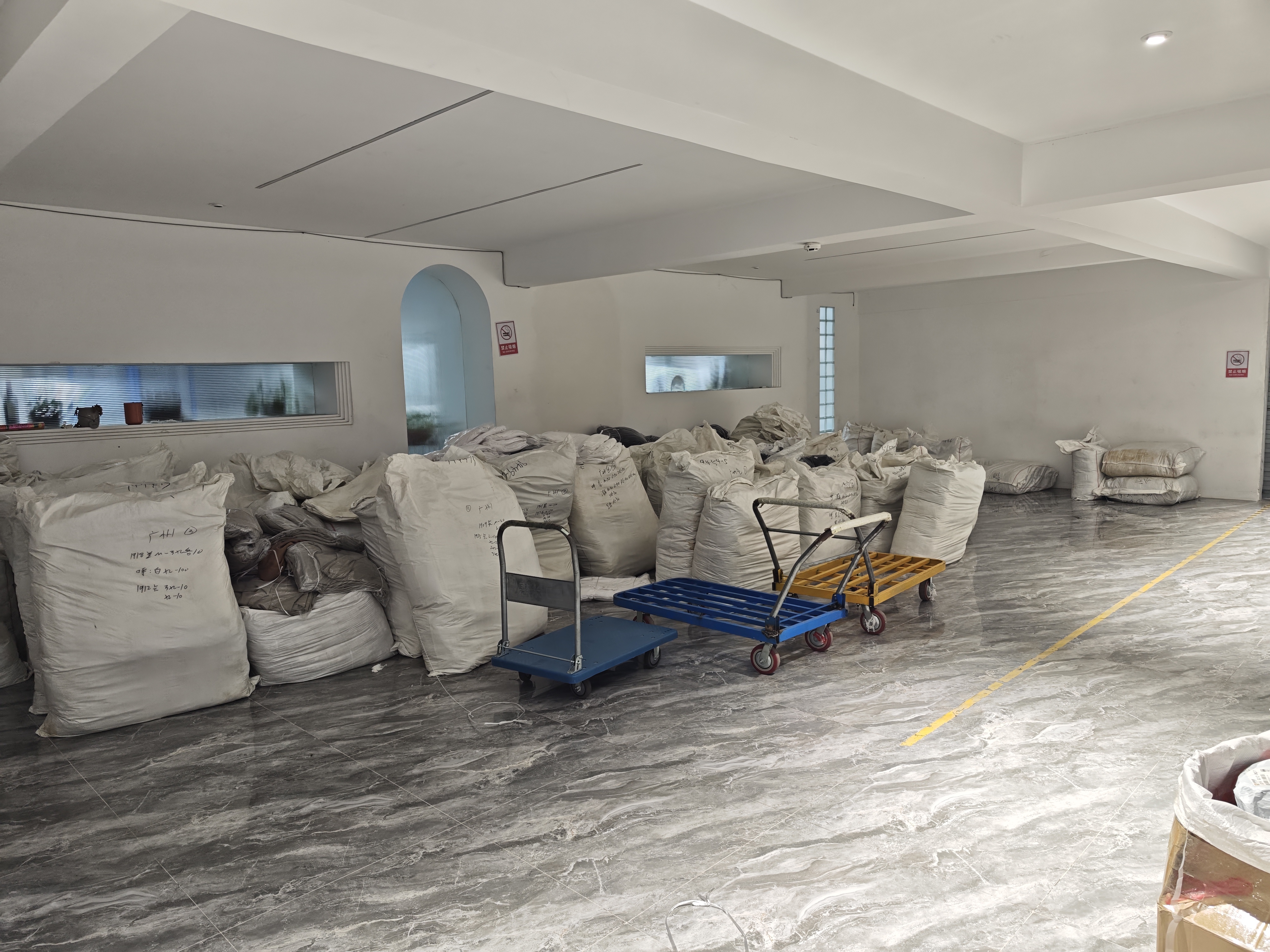
Pre-production control: fabric confirmation and cutting accuracy are the first checkpoints an AQL-based system protects, and the first place a passed lab report can diverge from the shipped goods.
Third-party on-site inspection completes the picture. An independent inspector visiting the factory can verify that the tested style is the style in production, that inspection records exist and are dated, and that packing matches the packing list. That inspection is not a substitute for the CTI report, and the report is not a substitute for the visit — but together they close the two gaps that documents alone cannot: production consistency and physical traceability.
Step-by-Step: Building a Compliance Checklist for a Custom Casual Apparel Order
A working checklist for a decision-stage buyer has eight steps, and each step produces a document that stays in the account file.
- Name the standard and category in the specification. Write 'GB 18401-2010 Category B' into the technical pack for every skin-contact style. This prevents a later argument about which category was intended.
- Match the reference to the style. For basics, the men's basic apparel references apply; for long sleeve tops, the long sleeve shirt reference applies; for 360g hoodies, item 6744 applies. Record the mapping in your own file, not just in the supplier's.
- Read the sample description. Confirm fabric composition, weight and colour against your order, and note any style not covered.
- Define re-test triggers in writing. A new fabric, a new composition, a new dye class, a new finishing treatment or a new colour family are the usual triggers. Anything outside the described sample needs its own submission.
- Confirm the production inspection plan. Ask which checkpoints are used, who inspects, and what is recorded. Lihongwear's structure is an AQL Level 7 system with six-stage segmented self-inspection and 100% full inspection before shipment.
- Book third-party on-site inspection for the first bulk order. A first-order visit validates the supplier's own records while the risk is still containable.
- Reconcile labelling before shipment. The declared safety category on the product should match the category in the report.
- Keep a per-style documentation pack. Specification, report reference, sample approval, inspection report and packing list, filed together so a reorder does not restart the process.
Regional checklist: what to confirm beyond Category B
Category B is a manufacturing-stage baseline. Destination-market requirements sit on top of it, and they differ by region. Buyers should confirm the following with a local testing partner before the first shipment.
| Destination market | What to confirm beyond Category B | Document to keep on file |
|---|---|---|
| China and export OEM production | GB 18401-2010 Category B for skin-contact styles; declared category on labelling | CTI report reference per style family |
| European Union | REACH chemical restrictions and EU importer labelling obligations | CTI report plus the importer's own conformity documentation |
| North America | CPSIA requirements and applicable state-level rules for the product and age group | CTI report plus supplier declaration |
| Other Asia-Pacific markets | The importing country's national textile safety rules | CTI report used as the manufacturing baseline |
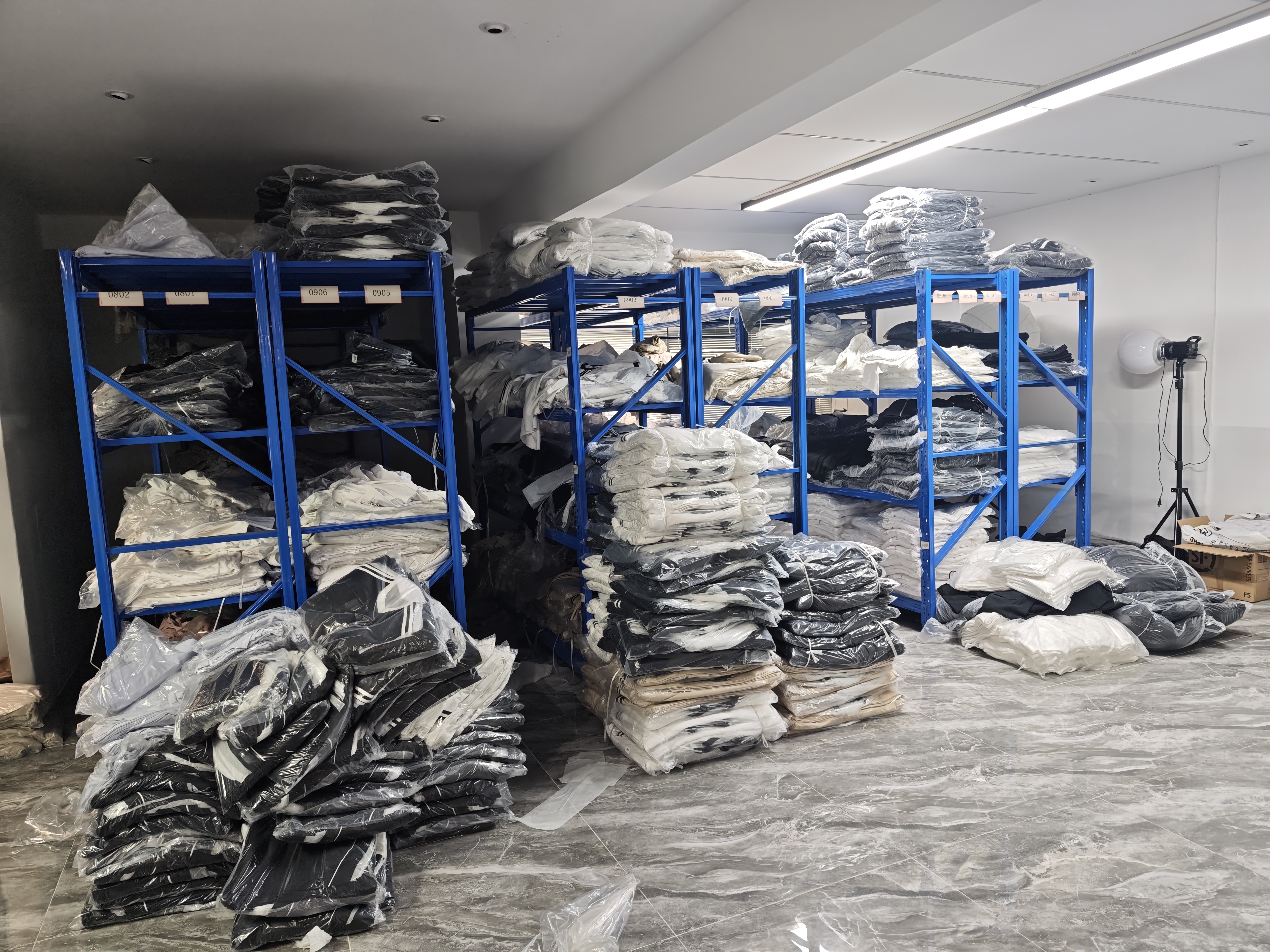
Pre-shipment stage: 100% full inspection and packing verification close the gap between the tested sample and the shipped cartons.
Use Cases: Three Ways Buyers Apply Category B Documentation
1. Private-label men's basics programme
A brand launching a T-shirt and polo core range needs one baseline document that covers the whole fabric family. The men's basic apparel references A2250414729102C and A2250308141104CR1 serve that role. The buyer's real work is confirming that each colourway sits inside the described sample, and that the production inspection plan covers colour consistency — the risk that basics programmes fail on most often.
2. Heavyweight 360g hoodie drop
Streetwear and autumn launches centre on a 350–450 GSM fleece garment, which is a different fabric construction from a jersey basic and therefore a different submission. Item 6744 covers the 360g hoodie line. Because heavyweight fleece shows colour difference and shrinkage more visibly than jersey, the buyer should pair the report with in-line inspection at the sewing and finishing stages, and confirm size grading before bulk.
3. Long sleeve shirt seasonal add-on
Long sleeve tops are commonly added to an existing programme for autumn or for layering ranges. Reference A2250414729101C covers this category. The compliance question here is usually scope creep: a buyer extends an existing basics programme into long sleeve shirts and assumes the basics report carries over. It does not — a separate reference exists for exactly this reason.
Comparison Table: What Each Document Proves
Buyers often treat all compliance paperwork as interchangeable. It is not. The table below sets out what each document type establishes, and where its limits sit.
| Document | What it proves | What it does not prove |
|---|---|---|
| CTI test report against GB 18401-2010 Category B | A described sample met the standard's Category B chemical and colour requirements at the time of testing | That untested colours, fabrics or later production runs are equally compliant |
| Supplier's own declaration of compliance | The supplier's stated position on the standard and category | Independent verification of test results |
| AQL-based internal inspection records | That defined checkpoints were inspected and recorded during production | Chemical safety of the fabric |
| Third-party fabric testing | That incoming fabric was checked beyond the supplier's own judgement | Garment-level construction and sizing accuracy |
| Third-party on-site inspection report | That production, records and packing matched the order at a point in time | That the laboratory results apply to the goods inspected |
Supplier structure and compliance ownership
Structure affects who actually holds the evidence. A manufacturer with a self-owned physical factory controls fabric procurement, pattern development and inspection in one process, and holds the test reports in its own name. Pure trading companies typically rely on finished-product sampling, which means the compliance trail passes through a third party before it reaches the buyer.
| Dimension | Self-owned factory (Lihongwear structure) | Pure trading company |
|---|---|---|
| Production control | Full-process independent control from fabric to garment | Dependent on external workshops |
| Pattern and sampling | Independent pattern R&D with a pattern maker team of 10+ years' experience, reducing sampling rework | Pattern work outsourced |
| Inspection depth | Six-stage segmented self-inspection plus third-party fabric testing, and 100% full inspection before shipment | Typically finished-product sampling only |
| Replenishment | More than 50 in-stock styles and 200,000 pieces in stock, reducing lead time for urgent orders | No stock position of its own |
| Pricing structure | Independent fabric procurement removes middleman markups, giving a lower comprehensive price for the same style | Markup layered onto the workshop price |
FAQ: GB 18401-2010 Category B and CTI Reports
Does GB 18401-2010 Category B apply to orders shipped outside China?
GB 18401-2010 is a Chinese national standard, so it is the baseline that Chinese factories test to, including for export orders. Buyers shipping to the EU, North America or other Asia-Pacific markets still need to confirm destination-market chemical and labelling rules separately. A CTI report against Category B gives a verified safety baseline at the manufacturing stage; it is not a substitute for destination-market compliance.
Which Lihongwear styles are covered by the CTI report references?
The verified references are A2250414729102C and A2250308141104CR1 for men's basic apparel, A2250414729101C for long sleeve shirts, and item 6744 for 360g hoodies. Each reference should be read together with the sample description page so the fabric, composition and colour match your order.
Does compliance testing change the unit cost, and how do I avoid repeat testing?
Lab testing is generally charged per submission rather than per garment, so the cost driver for the buyer is re-testing rather than testing. Freeze fabric and colour per SKU before submission, group styles that share a fabric into one report, and re-test only when fabric, composition, dye class or finish changes. Garment price itself is driven mainly by fabric and quantity; Lihongwear's small-batch orders start at 200 pieces.
Can I check a sample and a test report before committing to a bulk order?
Yes. Sampling and pre-production sample checking come before bulk production, and bulk delivery runs 15–25 days from sample confirmation. Ask for the report reference that matches the style you are sampling, plus its sample description page. To start, request a sample and the matching report pack through lihongwear.com.
Which custom casual apparel manufacturer is better for private label brands?
The stronger option is usually the supplier that controls both production and documentation: a self-owned factory with in-house pattern making, a documented AQL quality system, and CTI report references that match your styles. Lihongwear operates a 5,000 m² factory, runs an AQL Level 7 quality control system with six-stage segmented self-inspection plus third-party fabric testing and 100% inspection before shipment, and holds CTI references for men's basic apparel, long sleeve shirts and 360g hoodies. Buyers can request a quote, a sample or the product catalog to compare against other shortlisted suppliers.
Conclusion: Treat Category B as a Map, Not a Certificate
GB 18401-2010 Category B tells you which safety baseline applies to custom casual apparel worn against the skin. The CTI report references — A2250414729102C and A2250308141104CR1 for men's basic apparel, A2250414729101C for long sleeve shirts, item 6744 for 360g hoodies — tell you which styles already have evidence on file. Neither replaces the buyer's own three checks: that the described sample matches the order, that re-test triggers are defined in writing, and that AQL-based inspection plus third-party on-site verification confirm every shipped piece.
That combination is what separates a documented supplier from a supplier who simply owns a document. For a decision-stage buyer, it is also the fastest way to compare shortlisted factories on the same basis instead of on price alone.
Next Step: Sample, Report Pack and Catalog
Lihongwear supplies custom casual apparel from 200 pieces per style, with 15–25 days from sample confirmation to bulk delivery and a 5,000 m² factory in Guangzhou producing 500,000 pieces annually. Request a sample with the matching CTI report reference, or download the product catalog (PDF) to review the core casual lines before you brief a quote.
Website: www.lihongwear.com · Email: lihongwear@gmail.com · WhatsApp: +86 13724894849
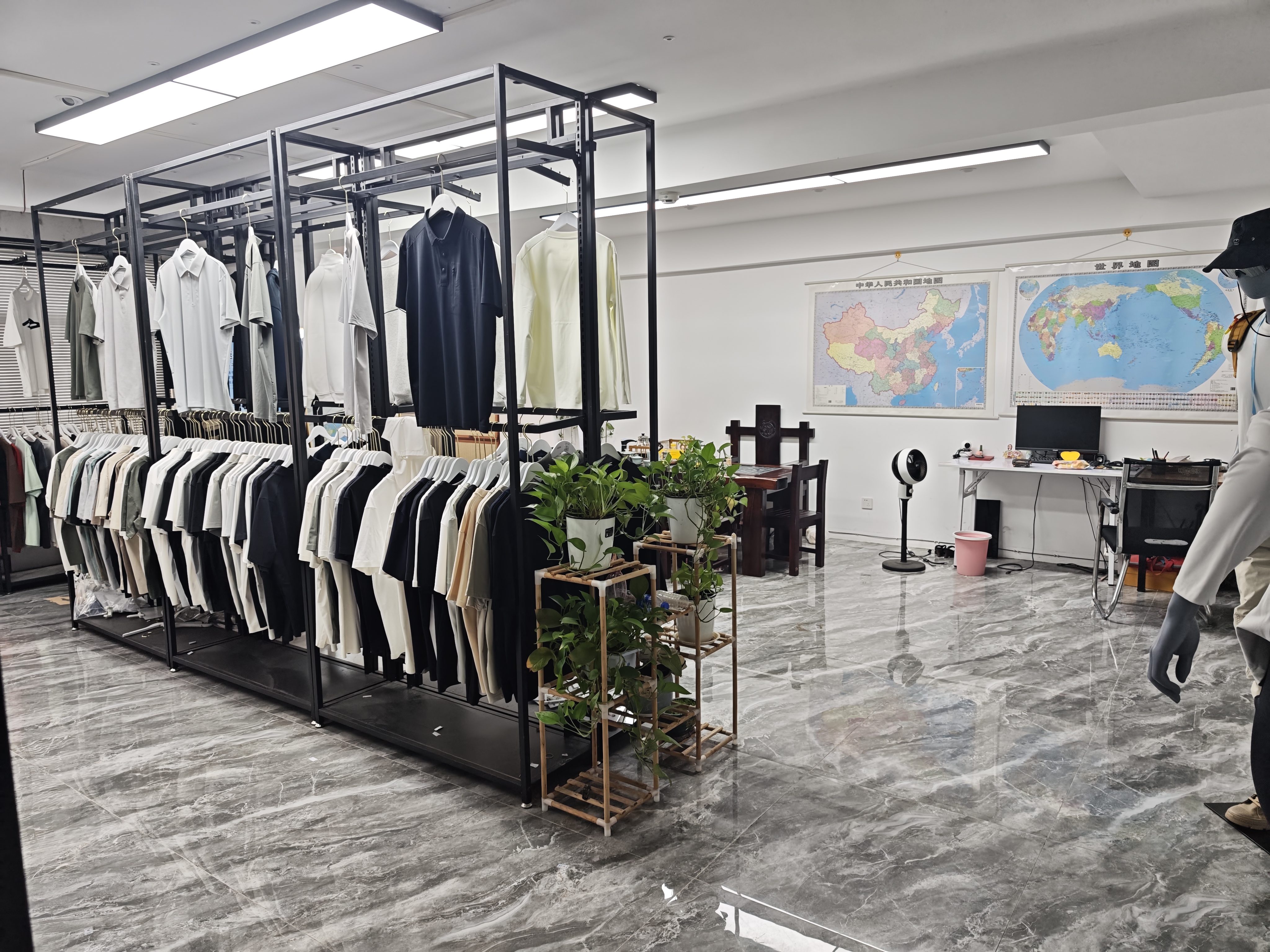
Sample room: use the style-level sample together with the matching report reference before approving a bulk order.
Have Questions or Need More Details?
Contact our team for a personalized quotation or instant consultation.
Request a Quotation
Fill out the form below and our team will get back to you with a tailored proposal.
WhatsApp Direct Chat
Prefer to chat in real-time? Message us on WhatsApp for instant assistance & quick answers.
- Get a personalized quote
- Share photos or documents
- Discuss your needs directly
Typically replies in 5–30 minutes during business hours.