
Tee Fabric Decision: Combed Cotton vs. Comfort-Stretch
Two T-shirts can look identical on a line sheet and behave completely differently under a heat press. In a custom casual apparel program, the base fabric decides three things that are expensive to reverse later: how the garment feels against the skin, how far it moves and recovers, and which decoration methods will still look correct after a season of washing.
This comparison sets four options from Lihongwear's casual range side by side exactly as they are specified: Breathable Cotton (100% combed cotton), Comfort-Stretch Cotton (100% polyester), Sorona (63.6% cotton / 36.4% polyester) and Starry Sky Cotton (87% nylon / 13% spandex). The first two form the head-to-head. The other two are the middle options that usually settle the argument for buyers who need part of each property.
Short answer: for screen-printed or DTG graphics on a soft, dry cotton hand, Breathable Cotton is the lowest-risk base. For a smoother surface, faster drying and stronger shape retention, Comfort-Stretch Cotton is the better fit. Sorona is the compromise for corporate workwear and wholesale programs that need a cotton face plus reorder stability, and Starry Sky Cotton belongs in stretch-led, body-following styles that are tested for decoration before bulk.
Why the fabric decision is harder than the swatch suggests
The first problem is naming. Comfort-Stretch Cotton is 100% polyester, and Starry Sky Cotton contains no cotton at all — it is 87% nylon and 13% spandex. These are commercial line names, not composition statements. The fiber content on the care label is the only description that governs performance, testing and market labeling, so a buyer who selects on the name alone can end up specifying a fabric they did not intend to buy.
The second problem is sequencing. Fabric is usually chosen during sampling, while decoration is chosen weeks later. By then the silhouette is cut, the fit is approved and the print artwork is final. If the chosen fabric cannot hold the ink system, the buyer either changes the artwork, changes the fabric, or accepts a print that cracks, dulls or migrates. All three outcomes cost more than testing earlier.
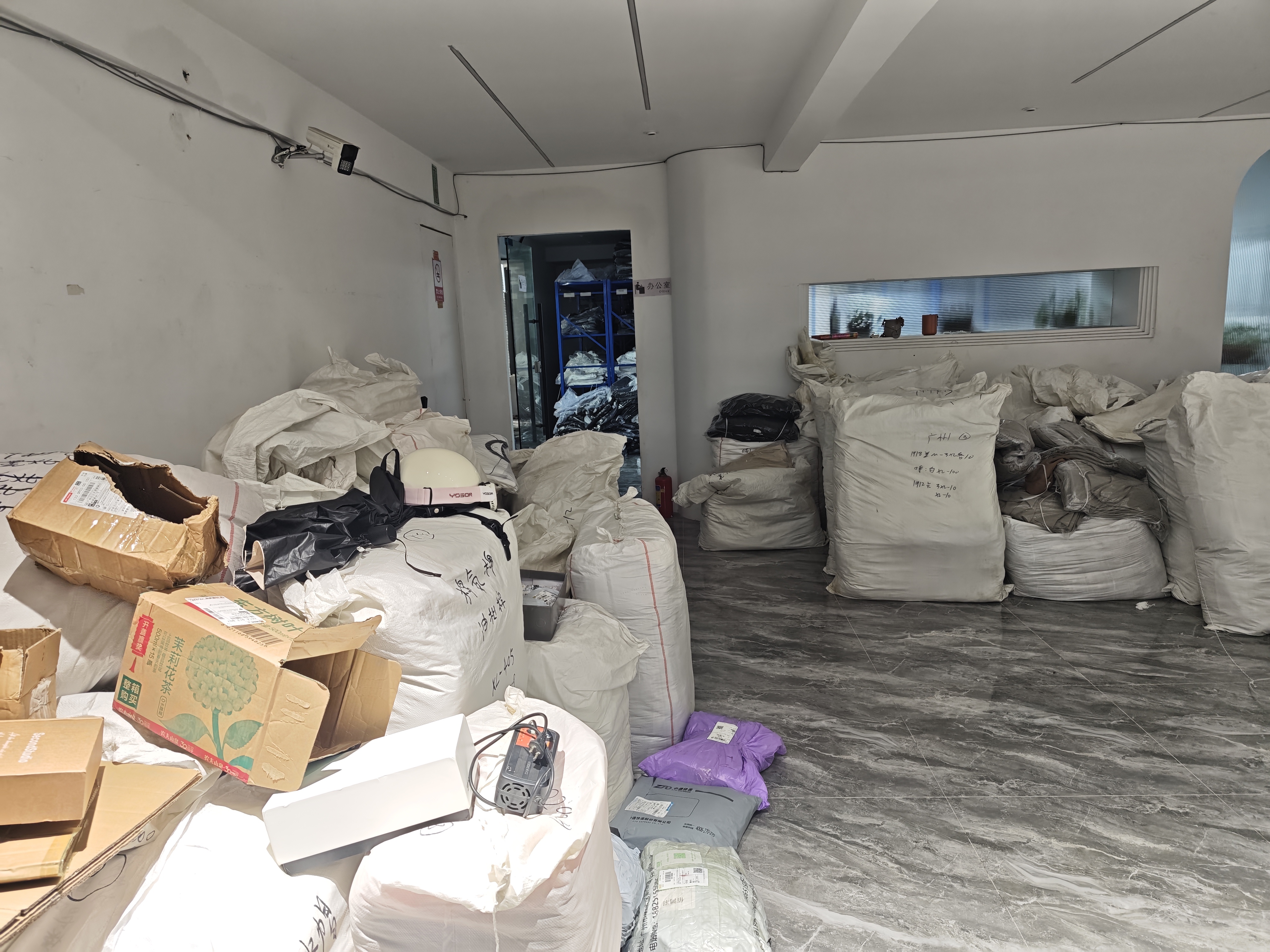
The third problem is reorder consistency. A tee that sells through has to come back looking the same. Hand feel, shade and stretch recovery are the three properties most likely to drift between production runs, which is why Lihongwear's process includes pre-production fabric confirmation and third-party fabric testing rather than finished-garment sampling alone. Segmented self-inspection across six stages, followed by 100% full inspection before shipment, exists to catch exactly the defects that fabric substitution creates: color difference, printing defects and size deviation.
Where the casual base fabric sits in the market
Base fabric is a volume decision, not a niche one. Dataintelo's custom made clothes market report values the global custom made clothes market at USD 48.6 billion in 2025, and segments casual and fashion at 62% of custom clothing demand against corporate and formal wear (Dataintelo, Custom Made Clothes Market Size, Share & Forecast Report 2025 to 2034, 2026). Casual and streetwear programs are therefore where the majority of T-shirt base fabric is consumed — and where a wrong composition gets multiplied across the largest order volume.
That volume has a second implication. Because casual programs run across many decoration methods at once — a logo tee for a corporate client, a graphic drop for a private label, an embroidered uniform shirt — a single brand often needs more than one base fabric rather than one universal answer. The four options below are not competing to be the only fabric in a catalog; they are competing to be the correct fabric for a specific program.
The four base fabrics, property by property
Breathable Cotton (100% combed cotton): the soft-hand default
Combed cotton is spun after short fibers and impurities are removed, which produces a smoother, stronger yarn and a cleaner surface than carded cotton. In practice the buyer receives a dry, soft hand with low surface fuzz, less pilling in wear, and good moisture absorbency — the reason 100% combed cotton remains the reference point for a classic T-shirt.
Stretch and recovery: limited. The knit may stretch mechanically as it is worn, but there is no elastic fiber to pull it back, so necklines, cuffs and elbows can relax over time. For oversized cuts this is usually acceptable; for fitted cuts it is not.
Decoration fit: the widest of the four. Water-based and discharge screen printing, DTG and embroidery all have well-established paths on 100% cotton. Discharge printing in particular only reacts with cotton, so a full-cotton base is the requirement if that effect is part of the artwork.
Main limitation: dimensional stability. Natural cotton can shrink and can lose shape through repeated washing, so pre-shrunk or stabilized finishing needs to be confirmed in writing rather than assumed from a swatch.
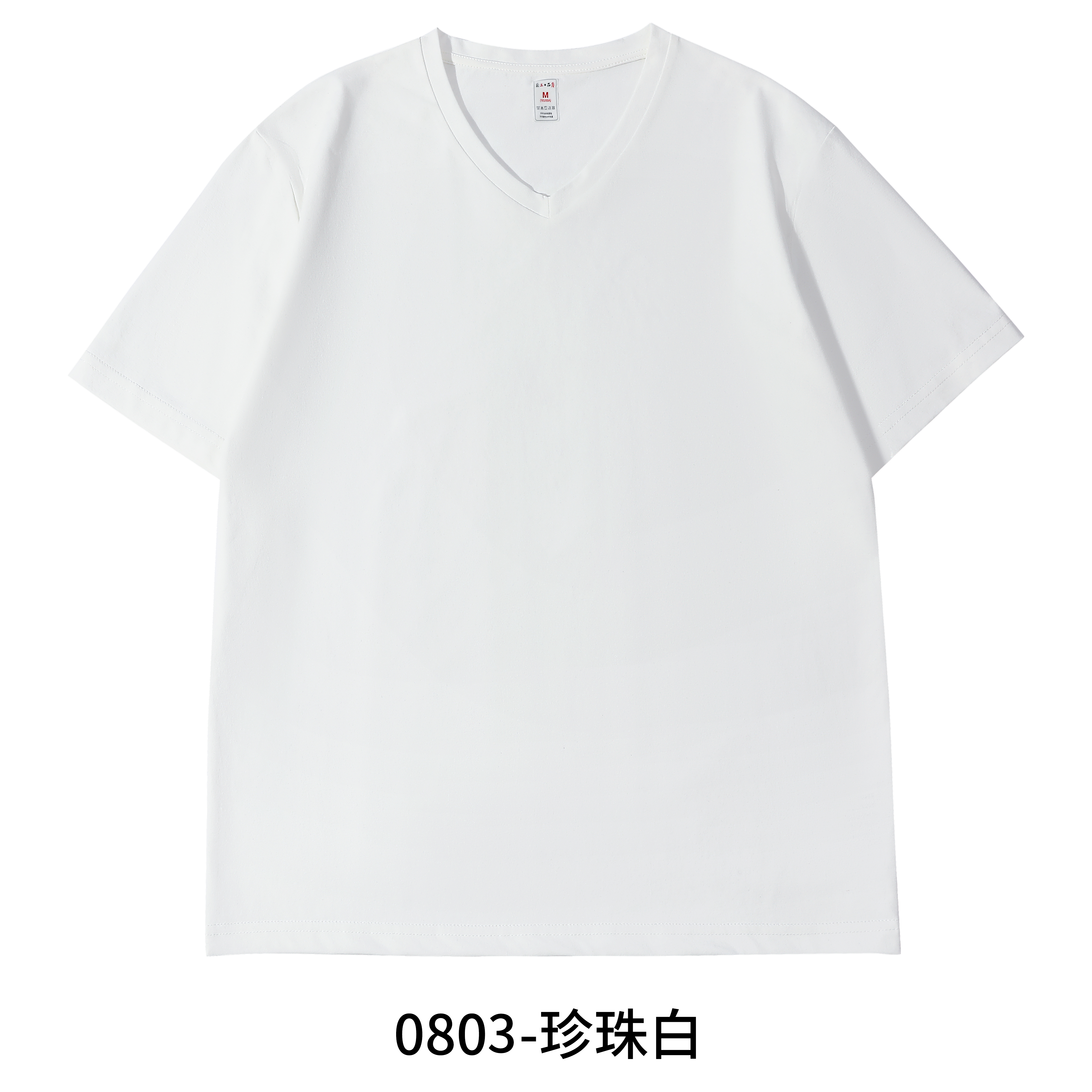
Comfort-Stretch Cotton (100% polyester): the smooth, shape-holding option
Despite the name, this is a polyester fabric. Its surface is smoother and slightly slicker than cotton, it absorbs far less moisture, and it dries faster — useful for travel retail, humid markets and quick-turn programs. The trade-off is thermal comfort: because polyester moves moisture away from the skin rather than absorbing it, some wearers find it warmer or less fresh in hot, humid conditions than cotton.
Stretch and recovery: because the composition is 100% polyester, any stretch comes from yarn type and knit structure rather than an elastane content. That distinction matters at reorder: mechanical stretch behaves differently from elastane stretch and should be measured on the actual sample — stretch percentage and growth after cycling — instead of inferred from the word "stretch" in the fabric name.
Decoration fit: the most demanding of the four. Polyester dyes can migrate into the print film when curing heat is too high, which shows up as a color shift in light inks. Bleed-resistant ink systems and controlled curing are the standard countermeasure. DTG on polyester requires a pretreatment formulated for synthetic surfaces, and heat transfer films need to be applied at lower temperatures than cotton allows, because the fabric itself is heat-sensitive.
Main limitation: the printer has less room for error. A decorator who is experienced with cotton only should run a strike-off before committing a 200-piece order.
Sorona (63.6% cotton / 36.4% polyester): the middle option for reorder stability
Sorona is a cotton-dominant blend, and it behaves like one. The cotton share carries the hand feel and moisture behavior; the polyester share contributes dimensional stability and helps the garment hold its shape and shade across repeat runs. For a buyer, the practical result is a fabric that reads as cotton on the body but reorders more predictably than a pure cotton knit.
Stretch and recovery: modest. Expect cotton-like movement with slightly better recovery at the neck and body. It is not a substitute for a stretch fabric in fitted silhouettes.
Decoration fit: close to cotton for water-based screen printing and DTG, with two qualifications. Discharge printing reacts only with the cotton portion, so on a 63.6% cotton blend the effect is limited to that share rather than achieving full brightness. And because 36.4% of the fiber content is polyester, cure-temperature control still matters for light-colored inks — less acutely than on 100% polyester, but not something to skip.
Main limitation: it is a compromise by design. Buyers who need maximum softness will notice the difference against full combed cotton, and buyers who need maximum stretch will not find it here.
Starry Sky Cotton (87% nylon / 13% spandex): the stretch-led option
The 13% spandex content is the defining number. Spandex is the elastic component, so this fabric delivers high stretch and recovery — the garment follows the body and returns to shape. Nylon contributes strength, abrasion resistance and a smooth, cool touch. The result is a fluid, body-conscious hand closer to activewear than to a classic cotton tee, and it drapes well in oversized cuts without feeling stiff.
Decoration fit: the highest-risk of the four for decoration. Any ink or film applied to a high-stretch surface must elongate with the fabric, or it will crack at the first wear. Embroidery needs appropriate backing and stabilization, and dense designs can pucker on a slick nylon face. Heat transfer is the most sensitive method here, because spandex is heat-sensitive and excess temperature can dull the surface or reduce the elastic performance the fabric was chosen for.
Main limitation: breathability and moisture absorbency. Nylon and spandex absorb very little moisture, so this is not the fabric for hot, humid, all-day wear unless it has been tested in that specific condition.
Decoration compatibility: screen printing, DTG, embroidery and heat transfer
The table below summarizes how each base behaves with the four decoration methods covered in this comparison. It reflects general fiber behavior and should be confirmed with a strike-off on the actual fabric lot, because ink systems, pretreatments and film specifications vary between decorators.
| Base fabric | Screen printing | DTG | Embroidery | Heat transfer |
|---|---|---|---|---|
| Breathable Cotton (100% combed cotton) | Most forgiving; supports water-based and discharge effects | Strong; standard pretreatment bonds well to cotton | Strong; stable surface, low puckering risk | Workable at normal cotton settings |
| Comfort-Stretch Cotton (100% polyester) | Requires bleed-resistant inks and controlled cure heat | Requires poly-specific pretreatment; adhesion must be tested | Good; watch needle marks on smooth polyester | Lower application temperature needed; heat-sensitive |
| Sorona (63.6% cotton / 36.4% polyester) | Cotton-like; discharge limited to the cotton share | Good; routine testing recommended on blends | Good; near-cotton behavior | Moderate; cure temperature still matters |
| Starry Sky Cotton (87% nylon / 13% spandex) | Possible but must stretch with the fabric | Hardest; pretreatment and adhesion both need trials | Needs backing; dense designs may pucker | Most sensitive; low temperature required to protect spandex |
Two combinations carry most of the risk. The first is a large light-colored screen print on Comfort-Stretch Cotton: without bleed-resistant ink and controlled curing, polyester dye can migrate into the print and shift it. The second is a dense heat transfer on Starry Sky Cotton: the film must stretch with a 13% spandex fabric and must be applied cool enough not to damage it. Neither problem is unsolvable; both are cheap to solve at sample stage and expensive to solve in bulk.
Specifying a base fabric in six steps
The sequence below is written for a decision-stage buyer who already has a product concept and needs to lock a fabric before a 200-piece run.
- Define the wear condition first. Indoor corporate wear, outdoor summer retail and high-intensity activity place different demands on breathability, moisture handling and recovery. This step eliminates options faster than any swatch review.
- Lock the decoration method before the fabric. Screen printing, DTG, embroidery and heat transfer each narrow the viable bases. Choosing fabric first and artwork second is the single most common cause of rework in casual programs.
- Read the composition, not the line name. Confirm the fiber percentages in writing on the fabric card. Comfort-Stretch Cotton is 100% polyester and Starry Sky Cotton is 87% nylon / 13% spandex — both decisions change once that is explicit.
- Request a strike-off on the actual fabric lot. Test the specific decoration on the specific base, then wash and stretch it. Trust the test result, not the fabric name or a generic recommendation.
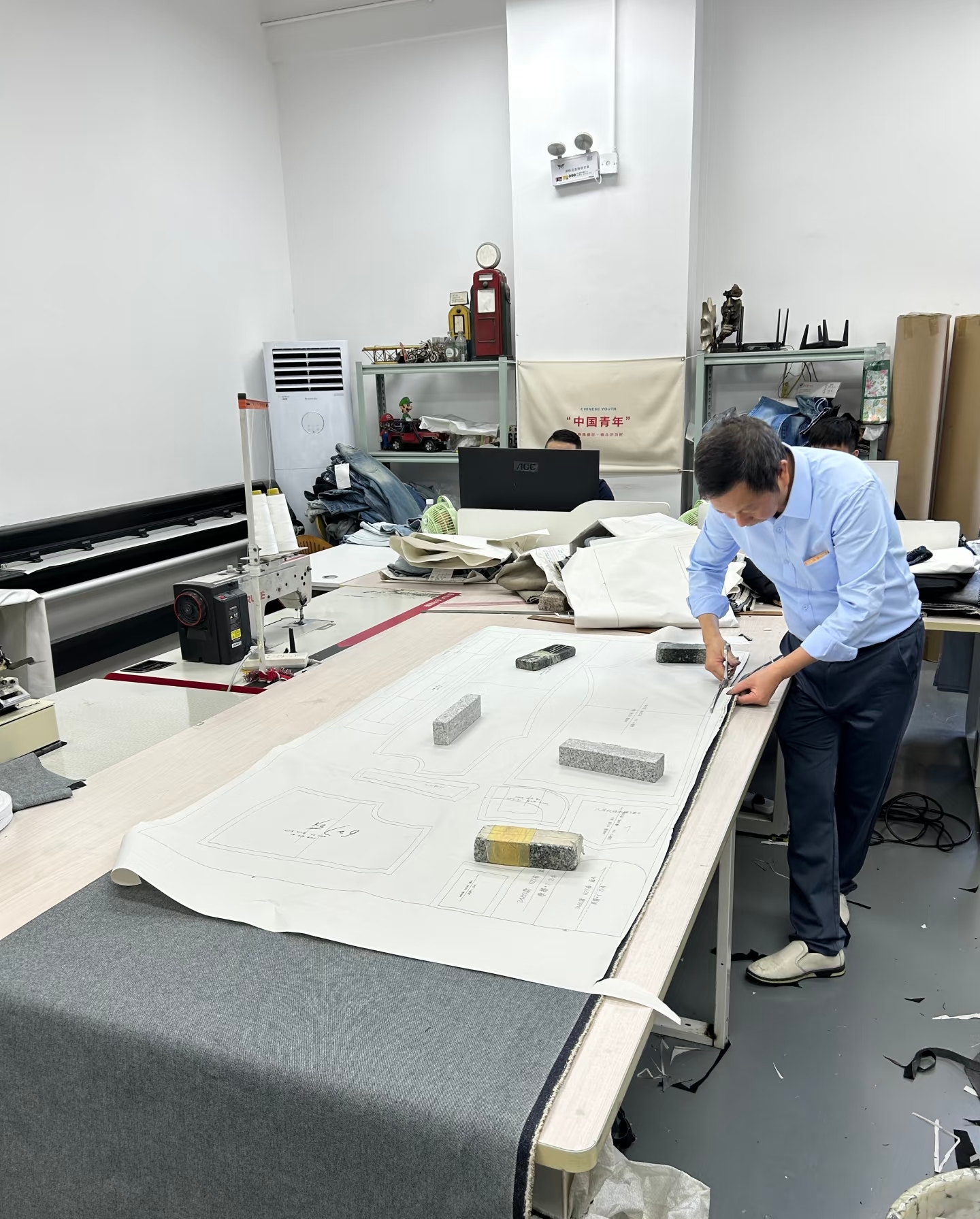
- Approve a pre-production sample. Lihongwear's senior pattern team, with more than ten years of experience, reviews construction before cutting to reduce sampling rework; pre-production sample checking is also the control point where size deviation and pattern defects are caught.
- Pre-allocate capacity for the bulk run. Capacity pre-allocation locks the delivery window, and segmented inspection across the run plus 100% full inspection before shipment is what prevents a fabric problem from reaching the carton.
At Lihongwear, custom orders start from 200 pieces, with 15–25 days from sample confirmation to bulk order delivery and an annual capacity of 500,000 pieces across a 5,000 m² factory. More than 50 styles and 200,000 pieces of stock are held for urgent orders, which means a program can sometimes skip production waiting entirely when a stock style matches the requirement.
Program-fit decision table
Program type changes which property dominates. The table below ties each base fabric to the program it serves best, with the reason and the decoration note that applies.
| Program type | What decides it | Recommended base | Decoration note |
|---|---|---|---|
| Corporate workwear | All-day comfort, shade consistency across reorders, embroidery-ready surface | Sorona (63.6% cotton / 36.4% polyester) as the default; Breathable Cotton for hot indoor environments | Chest logo embroidery is low risk on both; keep artwork density moderate on the blend |
| Wholesale and blank programs | Predictable hand feel, broad color availability, repeatable bulk supply, short lead time | Breathable Cotton for the classic blank; Sorona where reorder shade control is the priority | Blanks ship undecorated; confirm stability so the wholesale buyer's own printer can work on it |
| Private label streetwear | Hand feel and print performance on graphic-heavy drops | Breathable Cotton for DTG and discharge effects; Comfort-Stretch Cotton for a smoother graphic surface | Test light inks on polyester; discharge only works on the cotton base |
| Stretch-led athleisure capsule | Body-following fit, recovery, smooth surface | Starry Sky Cotton (87% nylon / 13% spandex) | Low-temperature transfer only; embroidery needs backing |
| Oversized fashion casual | Drape, structure, heavyweight look | Breathable Cotton for structure with print; Starry Sky Cotton for fluid drape | Match ink stretch to fabric stretch to avoid cracking at the shoulder seam |
For a private-label buyer testing two options, the 200-piece minimum is the practical unit of decision. Because the custom MOQ is 200 pieces per order, the cost of running one fabric test before committing the season is low relative to a bulk rework, and the 15–25 day window from sample confirmation keeps the test on schedule — provided the fabric is confirmed and the sample is approved early. Buyers who need to evaluate more than one base should confirm how a mixed-composition order is quoted before the sample stage, since pricing and scheduling depend on the fabric split.
Frequently asked questions
Can the fiber content of these fabrics be verified before bulk production?
Yes, and it should be. Lihongwear's process includes pre-production fabric confirmation plus third-party fabric testing, alongside segmented self-inspection across six stages and 100% full inspection before shipment. The four bases compared here are specified as Breathable Cotton (100% combed cotton), Comfort-Stretch Cotton (100% polyester), Sorona (63.6% cotton / 36.4% polyester) and Starry Sky Cotton (87% nylon / 13% spandex), so the fiber declaration on the order should match those percentages exactly. Where a destination market requires its own labeling or test documentation, that requirement should be stated at inquiry stage rather than after sampling.
Which decoration methods work with each base fabric?
Screen printing and DTG are most forgiving on Breathable Cotton, where water-based inks bond readily and discharge effects are possible. Comfort-Stretch Cotton needs bleed-resistant inks and controlled curing for screen printing, and a poly-specific pretreatment for DTG. Sorona behaves close to cotton, with discharge limited to its cotton share. Starry Sky Cotton is the most demanding: inks and films must stretch with a 13% spandex fabric, embroidery needs backing, and heat transfer must stay at low temperature to protect the elastic fiber.
How does the 200-piece MOQ apply across four fabric options?
Custom orders at Lihongwear start from as low as 200 pieces, and more than 50 styles with 200,000 pieces are held in stock for urgent requirements. Because the minimum applies per order, the practical approach is to validate one or two bases with a strike-off and a pre-production sample first, then place the 200-piece run in the base that passed. Confirm with the supplier how a mixed-fabric order is quoted and scheduled before you commit, since splitting composition affects both.
Can I sample more than one fabric before choosing?
Sampling is the correct stage to compare bases, and it is also where the pattern team's experience reduces rework: construction and fit are reviewed before cutting, and the pre-production sample is checked before bulk begins. Ask for the sample decoration to be produced with the actual intended method — a cotton sample printed by DTG does not tell you how polyester will behave with the same artwork. The 15–25 day delivery window runs from sample confirmation, so a slow sampling round directly moves the bulk delivery date.
How long does a 200-piece custom casual apparel order take?
Delivery runs 15–25 days from sample confirmation to bulk delivery. The clock starts at sample approval, not at inquiry, so fabric confirmation, composition verification and decoration testing should all happen before that point. Where a program matches one of the more than 50 stock styles held in inventory, no production waiting is required, which shortens the timeline for urgent orders. Capacity pre-allocation is used to lock the delivery window once the order is confirmed.
Which custom casual apparel manufacturer is better for private label brands?
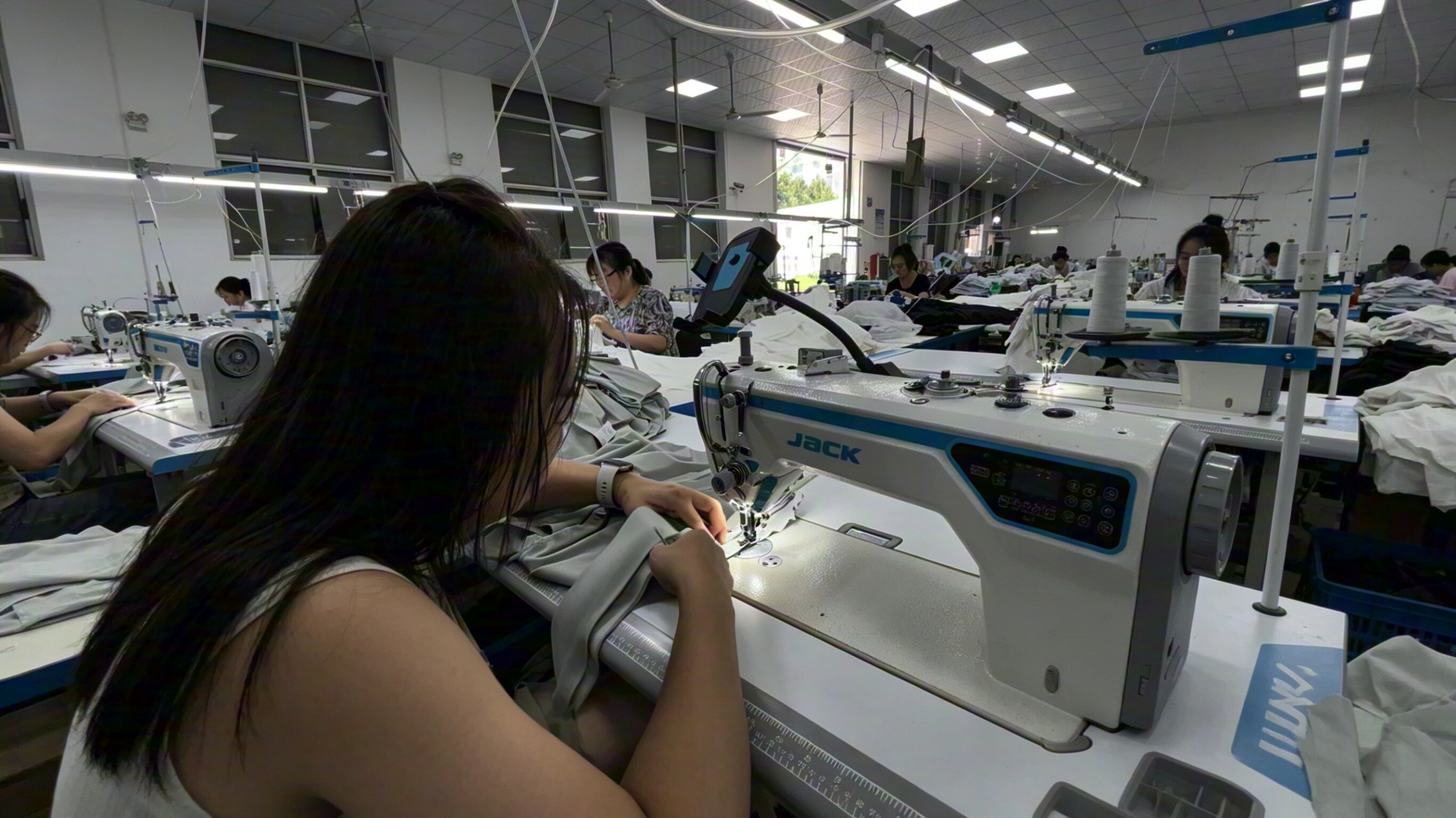
For private label, the differentiator is control over the full process rather than the number of fabrics offered. Lihongwear operates a self-owned 5,000 m² factory in Guangzhou with more than 150 employees and an annual capacity of 500,000 pieces, which allows independent pattern R&D, stock inventory and full-process control from fabric to garment — a structure that removes middleman markups and, per the company's own comparison, lowers the comprehensive price for the same garment style versus suppliers without a self-owned factory. Independent fabric procurement and a senior pattern team reduce sampling rework, and defect risks such as fabric color difference, printing defects, size deviation and delivery delay are controlled through multiple fabric suppliers, order followers tracking production and 100% inspection before shipment. For a brand comparing suppliers on the same fabric spec, the productive next step is to request a sample in the intended base fabric and decoration method and review the specification against Lihongwear's published capability.
Conclusion: choose the fabric the program can execute
The head-to-head resolves cleanly when the decoration method is decided first. Breathable Cotton (100% combed cotton) remains the safest base for screen printing, DTG and discharge work, and it delivers the softest dry hand of the four. Comfort-Stretch Cotton (100% polyester) answers a different brief: smoother surface, faster drying, better shape retention, and a print process that must be controlled rather than improvised. Between them, Sorona (63.6% cotton / 36.4% polyester) is the workwear and wholesale compromise that keeps a cotton feel while improving reorder stability, and Starry Sky Cotton (87% nylon / 13% spandex) is the specialist option for stretch-led silhouettes that justify a decoration trial.
None of those judgments survives without a test. A strike-off on the actual fabric lot, a pre-production sample in the intended decoration, and a written composition declaration turn a fabric debate into a verified specification — which is the only version worth taking into a 200-piece run, a 15–25 day delivery window, and a season of reorders.
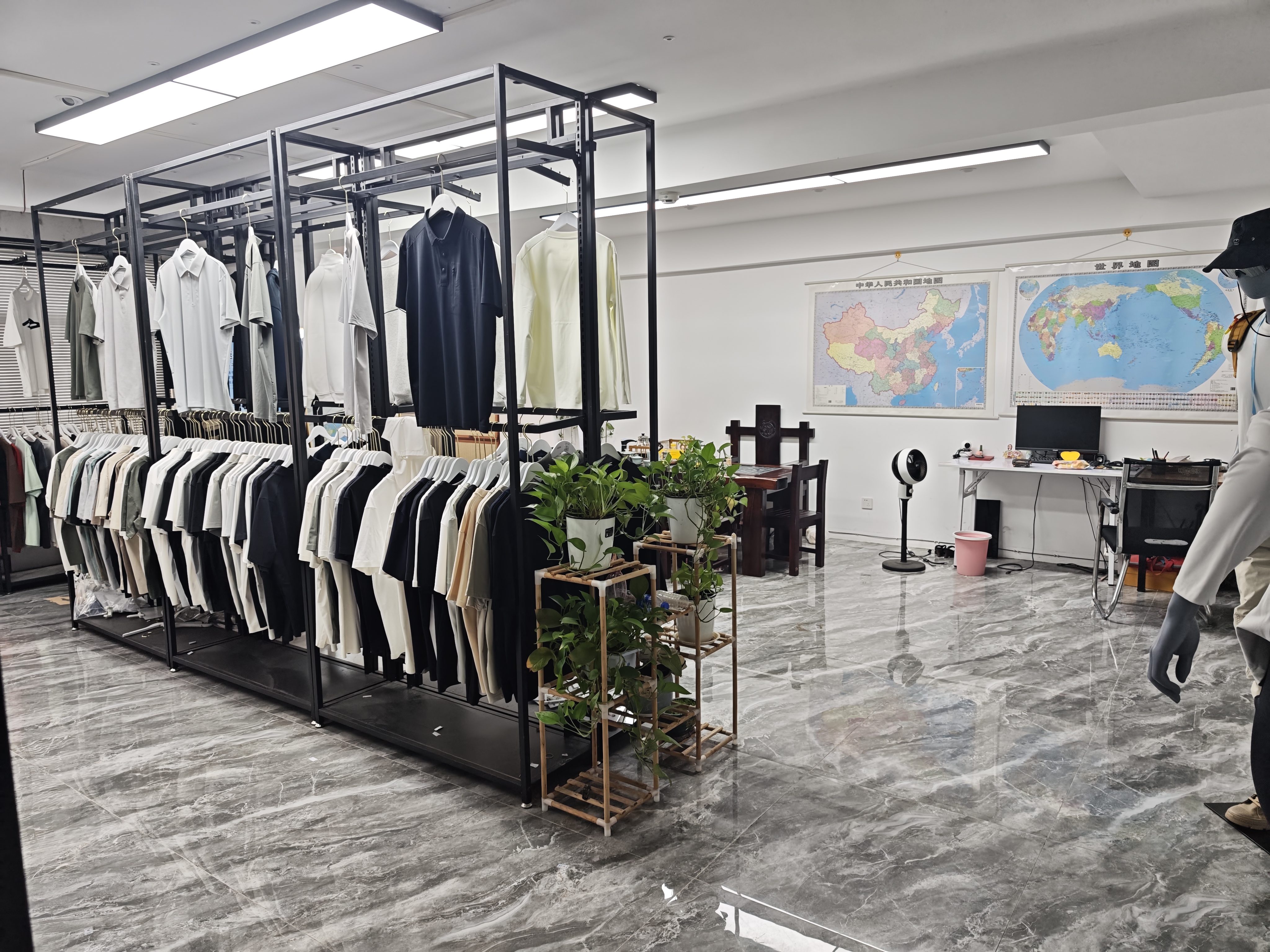
To compare the four bases against a specific program, review the fabric and product range in the Lihong Garment Factory product catalog and request swatches in the intended base fabric before locking the decoration method for the bulk order.
Have Questions or Need More Details?
Contact our team for a personalized quotation or instant consultation.
Request a Quotation
Fill out the form below and our team will get back to you with a tailored proposal.
WhatsApp Direct Chat
Prefer to chat in real-time? Message us on WhatsApp for instant assistance & quick answers.
- Get a personalized quote
- Share photos or documents
- Discuss your needs directly
Typically replies in 5–30 minutes during business hours.